Introduction
Outdoor games have been part of human culture for generations. Across continents and communities, people have created games that encourage movement, cooperation, creativity, and friendly competition. Even as digital entertainment becomes more common, outdoor games remain essential for physical health, social interaction, and cultural identity.
Many outdoor games played today reflect traditions passed down through families and communities. Others have become global favorites through schools, sports organizations, and international competitions. Together, these activities connect people across languages and cultures while supporting active lifestyles.
This article explores popular outdoor games played around the world and explains why they continue to hold strong value in modern society.
Why Outdoor Games Remain Important Worldwide
Outdoor games support healthy development and social interaction in ways that indoor activities often cannot match. They encourage movement, teamwork, and communication in open environments that stimulate both the body and the mind.
Key reasons outdoor games remain popular globally include:
- promoting physical fitness through natural movement
- encouraging cooperation and teamwork
- strengthening friendships and social connections
- supporting emotional well being
- reducing screen time and sedentary habits
Because these benefits apply to children and adults alike, outdoor games continue to be shared across generations.
Soccer as a Global Outdoor Favorite
Soccer is one of the most widely played outdoor games in the world. Known for its accessibility and simplicity, it requires minimal equipment and can be played in parks, school fields, and community spaces.
Soccer remains popular internationally because it:
- requires only a ball and open space
- supports teamwork and communication
- encourages endurance and coordination
- allows flexible team sizes
- adapts easily to different environments
Children often begin playing informal versions of soccer at an early age, making it one of the first structured outdoor games many people experience.
Cricket as a Cultural Outdoor Tradition
Cricket holds strong cultural importance in many regions and continues to attract participants of all ages. While professional cricket follows structured rules, informal versions are played widely in neighborhoods and playgrounds.
Cricket supports outdoor participation by:
- encouraging strategic thinking
- promoting teamwork through batting and fielding roles
- improving hand eye coordination
- strengthening patience and focus
Because it can be adapted for small groups and limited spaces, cricket remains accessible to players in many communities.
Volleyball as a Social Outdoor Game
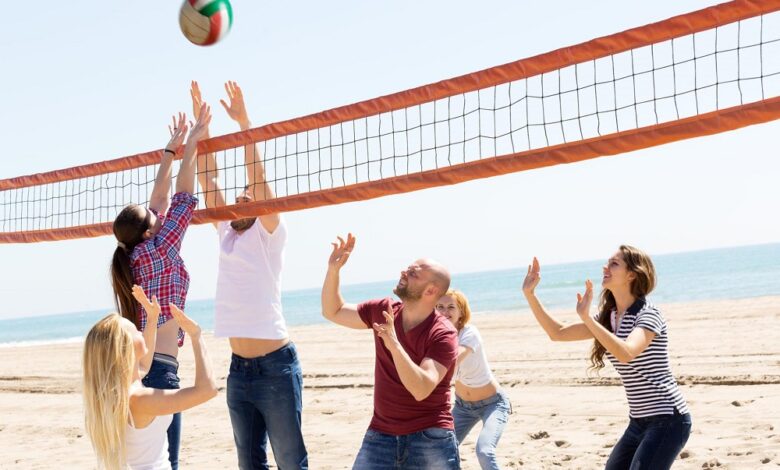
Volleyball is another popular outdoor activity played in parks, school grounds, and beaches around the world. Its cooperative structure encourages communication and shared responsibility among players.
Benefits of volleyball include:
- improving coordination and timing
- strengthening teamwork habits
- encouraging communication between teammates
- supporting cardiovascular fitness
Beach volleyball has expanded the game’s popularity by making it suitable for recreational settings as well as organized competition.
Tag as a Universal Childhood Game
Tag is one of the simplest and most recognizable outdoor games played worldwide. Because it requires no equipment, it can be enjoyed almost anywhere.
Children benefit from tag because it:
- encourages fast movement and agility
- supports quick decision making
- promotes social interaction
- allows flexible group sizes
- adapts easily into many variations
Different cultures have created their own versions of tag, but the core idea remains the same across regions.
Hide and Seek as a Traditional Outdoor Activity
Hide and seek has been played by children across cultures for centuries. Its simple structure encourages creativity and observation skills.
This game helps children develop:
- spatial awareness
- patience and anticipation
- cooperation with peers
- confidence in group participation
Because it can be played in both large outdoor areas and smaller spaces, hide and seek remains a favorite worldwide.
Kabaddi as a Strategy Based Outdoor Game
Kabaddi is widely recognized as a traditional outdoor game that combines strength, strategy, and teamwork. It is played in many parts of the world and continues gaining international recognition.
Kabaddi supports player development through:
- controlled breathing techniques
- physical strength building
- strategic positioning
- cooperative defensive coordination
Its structured rules and competitive nature make it both a recreational activity and a professional sport.
Baseball as a Popular Outdoor Team Game
Baseball has become one of the most recognizable outdoor sports in several regions. It combines batting, running, and fielding into a coordinated team activity.
Players benefit from baseball by developing:
- timing and coordination
- teamwork awareness
- communication skills
- concentration during gameplay
Because baseball encourages role specialization, it helps players understand the value of shared responsibility within a group.
Capture the Flag as a Cooperative Strategy Game
Capture the Flag is widely played in schools and recreational programs around the world. The game combines strategy with physical movement and teamwork.
Participants learn to:
- organize team roles
- communicate quietly during gameplay
- plan movement strategies
- support teammates during challenges
Its adaptable rules allow groups of different sizes to participate comfortably.
Tug of War as a Classic Strength Based Activity
Tug of War is one of the oldest outdoor team games still played today. It emphasizes cooperation and synchronized effort rather than individual performance.
This game supports:
- teamwork coordination
- shared rhythm and timing
- communication between participants
- group motivation during competition
Because it requires minimal equipment, Tug of War remains widely accessible.
Frisbee as a Flexible Recreational Game
Frisbee games are played in parks, beaches, and school playgrounds across many countries. The activity can be enjoyed casually or structured into team competitions.
Frisbee supports outdoor participation by encouraging:
- throwing accuracy
- movement coordination
- teamwork communication
- creative gameplay variations
Its flexibility makes it suitable for players of different ages and experience levels.
Dodgeball as an Energetic Group Activity
Dodgeball remains a popular outdoor game in many educational and recreational environments. Its fast pace encourages quick thinking and group coordination.
Players benefit from dodgeball by improving:
- reaction speed
- teamwork awareness
- spatial movement skills
- communication with teammates
Because the rules are easy to understand, the game remains accessible to beginners.
Relay Races as Cooperative Outdoor Challenges
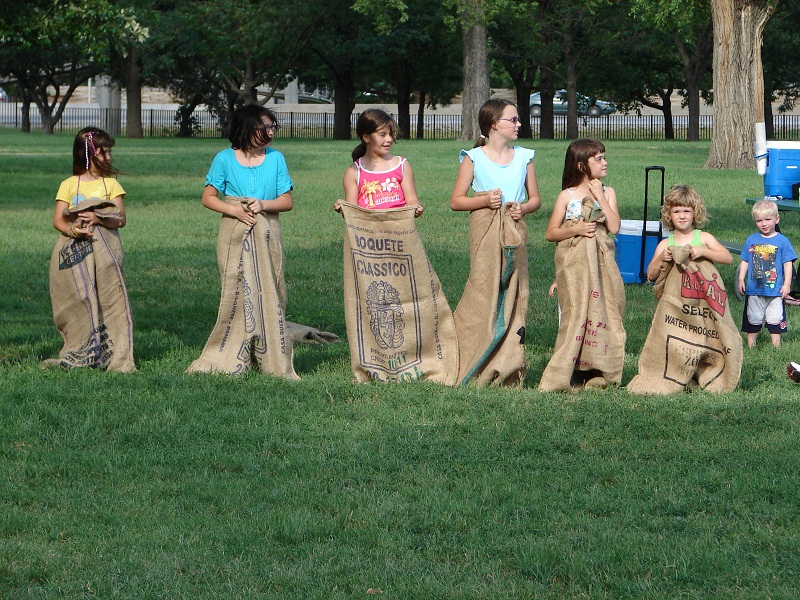
Relay races are commonly included in school sports programs and community events. They emphasize teamwork through shared responsibility among participants.
Relay races help players develop:
- timing awareness
- cooperation between teammates
- coordination during movement transitions
- motivation through shared goals
These qualities make relay races valuable for both recreation and skill development.
Cultural Value of Outdoor Games Across Regions
Outdoor games often reflect the traditions and identities of communities around the world. Many games are passed down through generations and adapted to local environments.
Cultural benefits of outdoor games include:
- preserving community traditions
- strengthening social bonds
- encouraging intergenerational interaction
- promoting shared recreational experiences
These activities continue to connect people across backgrounds and locations.
Health Benefits of Playing Outdoor Games
Outdoor games provide important physical and mental health advantages that support long term well being.
Regular participation helps improve:
- cardiovascular fitness
- muscle coordination
- balance and flexibility
- stress management
- concentration and attention
Because outdoor environments provide fresh air and open space, they enhance the effectiveness of physical activity.
Social Benefits of Outdoor Games for Communities
Outdoor games strengthen relationships between participants by encouraging cooperation and shared experiences.
Social advantages include:
- building friendships through teamwork
- encouraging respectful competition
- supporting communication skills
- increasing confidence in group settings
These benefits help create supportive and active communities.
Conclusion
Outdoor games played around the world continue to support physical health, social interaction, and cultural connection across generations. Activities such as soccer, cricket, volleyball, tag, Kabaddi, baseball, and Capture the Flag demonstrate how simple recreational experiences can bring people together while encouraging teamwork and movement.
As lifestyles become increasingly digital, outdoor games remain essential for maintaining balance between technology use and active living. Their accessibility, adaptability, and cultural significance ensure they will remain valuable forms of recreation for years to come.
Frequently Asked Questions
Why do outdoor games vary between different countries
Outdoor games often reflect local traditions, available space, climate conditions, and cultural preferences within each region.
Can outdoor games help improve academic performance in children
Regular physical activity through outdoor play can support concentration, memory, and classroom participation by improving overall well being.
Are outdoor games suitable for mixed age groups
Many outdoor games can be adapted for participants of different ages by adjusting rules, team sizes, or playing areas.
How do outdoor games support creativity in children
Outdoor environments encourage imaginative play, problem solving, and flexible rule making that support creative thinking skills.
What is the best time of day for outdoor games
Morning and late afternoon are often comfortable times for outdoor play because temperatures are usually moderate.
Do outdoor games require special equipment to begin
Many outdoor games require little or no equipment and can be played using simple objects or open space.
How can communities encourage more participation in outdoor games
Communities can support outdoor play by providing safe public spaces, organizing events, and encouraging group recreational activities for families and children.