Introduction
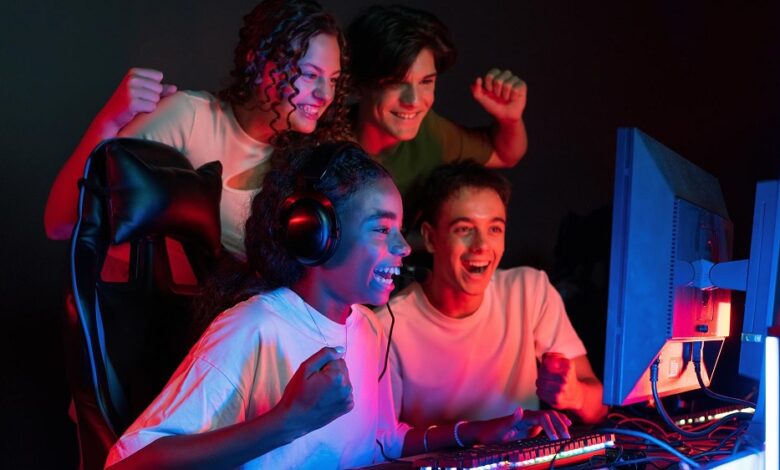
Online games have evolved far beyond simple entertainment experiences. Today, they function as interactive environments where players collaborate, communicate, and solve problems together in real time. One of the most significant outcomes of this transformation is the way online games influence teamwork.
Across multiplayer platforms, players must coordinate strategies, support teammates, and adapt to changing situations. These interactions mirror real world cooperation skills and often strengthen communication abilities, leadership habits, and group decision making.
Understanding how online games shape teamwork helps explain why they remain valuable not only for recreation but also for skill development in education, workplaces, and social environments.
Understanding Teamwork in Online Gaming Environments
Teamwork in online games involves coordinated effort between players who share common objectives. These objectives may include completing missions, defeating opponents, solving challenges, or progressing through complex scenarios together.
Effective teamwork in online games typically includes:
- Clear communication between players
- Role based responsibilities
- Shared strategic planning
- Support during high pressure situations
- Adaptability when plans change
Unlike solo gameplay experiences, team based online games require players to depend on others. This reliance encourages cooperation and strengthens collaborative habits.
Communication Skills Developed Through Online Games
One of the strongest influences online games have on teamwork is the improvement of communication skills. Multiplayer environments require players to exchange information quickly and accurately.
Players often communicate through:
- Voice chat systems
- Text messaging tools
- Visual signals within gameplay
- Tactical map indicators
These communication methods encourage players to share updates efficiently and clearly.
Over time, players learn how to:
- Deliver concise instructions
- Respond quickly to teammates
- Listen actively during gameplay
- Adjust communication styles for different team members
These abilities transfer easily into classroom collaboration and workplace teamwork situations.
Role Assignment Encourages Responsibility
Many online games include role based systems that assign specific tasks to individual players. These roles encourage accountability and structured cooperation.
Examples of role responsibilities include:
- Defensive positioning
- Resource gathering
- Strategic planning
- Support coordination
- Objective completion leadership
When players understand their responsibilities, they contribute more effectively to group success.
This structure mirrors real world teamwork environments where individuals must complete specialized tasks within larger projects.
Shared Goals Strengthen Cooperative Thinking
Online team based games succeed because players pursue shared goals. These goals require collaboration rather than individual performance alone.
Shared objectives often include:
- Completing cooperative missions
- Protecting teammates during challenges
- Achieving group victory conditions
- Solving puzzle based obstacles together
Working toward common outcomes encourages players to think beyond personal success.
As a result, players begin prioritizing group achievements over individual recognition. This shift strengthens long term teamwork habits.
Real Time Decision Making Improves Group Coordination
Online games often involve fast paced situations that require immediate responses from multiple players simultaneously.
During these moments, teams must:
- Evaluate threats quickly
- Share updates instantly
- adjust strategies together
- support teammates under pressure
These situations train players to coordinate actions efficiently within tight time limits.
Learning how to make decisions collectively under pressure is a valuable teamwork skill that applies to professional and academic environments.
Leadership Opportunities Within Multiplayer Teams
Online games naturally create opportunities for players to develop leadership abilities. Even informal teams often rely on one player to guide strategy and coordinate movement.
Leadership roles in online games may involve:
- organizing team positioning
- assigning objectives to players
- maintaining group morale
- adjusting tactics during gameplay
- resolving communication confusion
Players who take on these responsibilities strengthen their confidence and strategic thinking.
These leadership experiences often translate into stronger performance in collaborative real world settings.
Trust Building Through Cooperative Gameplay
Trust is an essential component of effective teamwork. Online games help players develop trust by requiring cooperation to achieve success.
Players learn to rely on teammates for:
- defensive support
- information sharing
- objective completion
- resource management
- mission protection
Repeated successful cooperation strengthens confidence between team members.
Over time, players become more comfortable depending on others and contributing reliably themselves.
Cultural Awareness Through Global Collaboration
Online games connect players from different regions and backgrounds. This global interaction strengthens teamwork by encouraging cross cultural communication.
Players often collaborate with teammates who speak different primary languages or follow different communication styles.
These experiences promote:
- patience during interaction
- adaptability in communication
- respect for diverse perspectives
- awareness of cultural differences
Exposure to global teammates helps players develop cooperation skills that extend beyond local environments.
Problem Solving as a Team Based Activity
Many online games include complex challenges that cannot be completed individually. Players must work together to analyze problems and identify solutions.
Team based problem solving often includes:
- evaluating enemy behavior patterns
- identifying puzzle mechanics
- distributing tasks efficiently
- adapting strategies after failure
These experiences strengthen analytical thinking within collaborative environments.
Instead of solving challenges independently, players learn how to contribute ideas and evaluate group solutions.
Conflict Resolution in Multiplayer Settings
Team based gameplay sometimes involves disagreements about strategy or performance decisions. These situations create opportunities for players to practice conflict resolution.
Players learn how to:
- respond respectfully to criticism
- negotiate strategy adjustments
- maintain focus during disagreement
- support team cohesion after mistakes
Developing these habits improves long term cooperation skills.
Conflict resolution is an essential element of strong teamwork in both gaming and professional environments.
Persistence and Team Motivation
Online games often include difficult challenges that require repeated attempts before success. Teams must remain motivated even after failure.
Players support each other by:
- encouraging teammates after setbacks
- adjusting strategies together
- sharing responsibility for mistakes
- maintaining focus on long term objectives
This persistence strengthens resilience within team environments.
Learning how to remain motivated as a group improves performance in many collaborative situations outside gaming.
Strategic Planning Strengthens Group Awareness
Successful teams rarely rely on improvisation alone. Planning ahead plays an important role in multiplayer success.
Strategic teamwork in online games often involves:
- anticipating opponent movement
- coordinating attack timing
- managing limited resources
- positioning teammates effectively
These planning habits encourage players to think collectively rather than individually.
Group awareness becomes a key factor in achieving consistent success.
Educational Value of Team Based Online Games
Educators increasingly recognize the potential value of online games in supporting teamwork development.
Team based online environments help students practice:
- communication clarity
- shared responsibility
- collaborative problem solving
- respectful interaction
- leadership participation
These experiences reinforce classroom learning goals in engaging ways.
When used appropriately, online games can complement traditional teamwork activities rather than replace them.
Workplace Skills Influenced by Online Team Gaming
Many teamwork skills developed through online gaming translate directly into professional environments.
These include:
- coordinating tasks efficiently
- communicating under time pressure
- adapting strategies quickly
- supporting team objectives
- respecting group roles
Employees who participate in structured multiplayer environments often become more comfortable working within collaborative teams.
This connection explains why some organizations now recognize gaming experience as a useful indicator of cooperation skills.
Long Term Social Benefits of Team Based Gameplay
Beyond structured learning environments, online games also strengthen everyday social interaction skills.
Players often build:
- long term friendships
- cooperative habits
- shared communication routines
- confidence in group participation
These relationships demonstrate how teamwork experiences within games extend beyond the digital environment.
The social aspect of cooperation remains one of the strongest reasons online team games continue to attract players worldwide.
Conclusion
Online games influence teamwork by creating environments where communication, coordination, leadership, and cooperation develop naturally through shared objectives. Players learn to trust teammates, adapt strategies together, and solve problems collaboratively under changing conditions. These experiences mirror many real world teamwork situations found in classrooms, workplaces, and community settings.
As online multiplayer environments continue to grow in popularity, their role in strengthening collaborative skills becomes increasingly significant. Team based gameplay demonstrates that digital interaction can support meaningful cooperation while remaining engaging and accessible for players of all experience levels.
Frequently Asked Questions
Can teamwork skills from online games apply to school group projects
Yes. Players who regularly participate in cooperative online games often become more comfortable sharing responsibilities and communicating clearly during group assignments.
Do team based online games improve listening skills
Yes. Effective gameplay requires players to pay attention to instructions and updates from teammates, which strengthens active listening habits.
Are cooperative online games better than competitive games for teamwork development
Cooperative games typically emphasize collaboration more directly, but competitive team games also require strong coordination and shared strategy.
How do online games encourage shy players to participate in teams
Structured objectives and shared goals create a supportive environment where quieter players can contribute gradually without social pressure.
Can teamwork in online games improve time management skills
Yes. Many multiplayer games require players to coordinate actions within limited time windows, which supports better scheduling awareness.
Do voice chat systems improve collaboration in online games
Voice communication allows faster coordination and clearer strategy sharing, which strengthens teamwork effectiveness during gameplay.
Are online team games useful for remote collaboration practice
Yes. Multiplayer environments simulate remote teamwork conditions similar to virtual workplaces, helping players adapt to distributed cooperation settings.


