Introduction
Puzzle games have entertained and challenged people for generations. Across cultures and age groups, they continue to serve as one of the most effective ways to strengthen thinking skills while providing meaningful recreation. From traditional paper based puzzles to modern digital experiences, puzzle games remain widely accessible and deeply engaging.
One reason puzzle games remain globally popular is their ability to combine enjoyment with learning. Players develop concentration, memory, logic, and creativity while working toward clear goals. Because puzzle games exist in many formats and difficulty levels, they appeal to children, students, professionals, and older adults alike.
Understanding the most popular puzzle games played around the world helps highlight how these activities support both entertainment and cognitive development across different cultures.
Why Puzzle Games Remain Popular Worldwide
Puzzle games continue to attract global audiences because they offer mental stimulation without requiring specialized equipment or advanced training. They can be played individually or in groups, making them suitable for many environments.
Key reasons puzzle games remain popular include:
- improving concentration and attention skills
- encouraging logical reasoning development
- supporting memory retention
- providing stress reducing recreation
- offering flexible difficulty levels
These advantages help puzzle games remain relevant in both traditional and digital settings.
Jigsaw Puzzles as a Universal Favorite
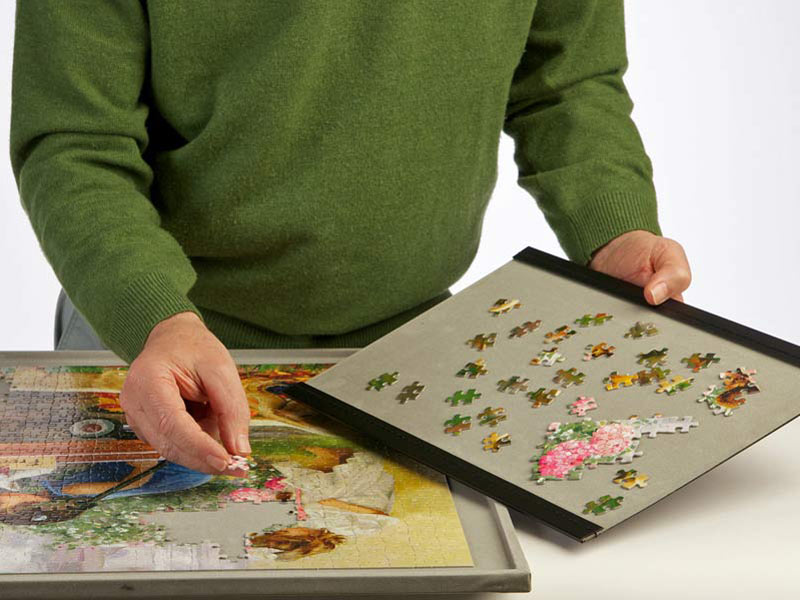
Jigsaw puzzles are among the most widely recognized puzzle games worldwide. They involve assembling small interlocking pieces to form a complete image.
Players benefit from jigsaw puzzles because they strengthen:
- visual recognition skills
- spatial reasoning ability
- patience and persistence
- attention to detail
Jigsaw puzzles are available in many difficulty levels, ranging from simple designs for young children to complex arrangements with thousands of pieces for experienced players.
Because they can be completed individually or collaboratively, jigsaw puzzles remain a popular activity in homes, classrooms, and community spaces.
Sudoku as a Global Logic Puzzle
Sudoku is one of the most widely played number based puzzle games across the world. It challenges players to place numbers correctly within a grid according to specific placement rules.
Sudoku supports cognitive development by encouraging:
- logical reasoning skills
- structured decision making
- pattern recognition ability
- concentration improvement
Its simple rules combined with varying difficulty levels make Sudoku suitable for beginners and advanced players alike.
Many newspapers, mobile applications, and puzzle collections include Sudoku because of its universal appeal.
Crossword Puzzles and Vocabulary Development
Crossword puzzles remain one of the most popular word based puzzle games. Players complete grids by filling in words based on written clues.
Crossword puzzles help players improve:
- vocabulary knowledge
- spelling accuracy
- memory recall
- language comprehension
They are widely used in educational environments and continue to appear regularly in newspapers and magazines.
Because crossword puzzles combine language learning with recreation, they remain valuable for players of all ages.
Rubik’s Cube as a Mechanical Puzzle Classic
The Rubik’s Cube is one of the most recognizable puzzle games ever created. It challenges players to align colored squares on all sides of a rotating cube.
Solving the cube helps strengthen:
- spatial awareness
- logical sequencing ability
- memory skills
- persistence during problem solving
The Rubik’s Cube has become both a recreational activity and a competitive challenge in many parts of the world.
Speed solving competitions continue to attract participants who enjoy improving their solving techniques.
Word Search Puzzles as Accessible Learning Tools
Word search puzzles require players to locate hidden words within a grid of letters. These puzzles are especially popular among younger learners and language students.
Word search puzzles support:
- vocabulary recognition
- visual scanning skills
- spelling familiarity
- concentration improvement
Because they are easy to understand and complete, word searches remain widely used in classrooms and recreational puzzle books.
Sliding Tile Puzzles and Spatial Reasoning Skills
Sliding tile puzzles involve rearranging numbered or pictured tiles into a correct sequence by moving them within a limited space.
These puzzles help players develop:
- planning strategies
- movement prediction ability
- spatial awareness
- logical sequencing skills
Sliding tile puzzles remain popular in both physical puzzle sets and digital puzzle applications.
Their structured format makes them suitable for players interested in systematic thinking challenges.
Logic Grid Puzzles and Deductive Thinking
Logic grid puzzles require players to analyze clues and determine correct relationships between multiple categories.
These puzzles strengthen:
- deduction skills
- analytical thinking ability
- attention to detail
- structured reasoning processes
Logic grid puzzles are commonly included in puzzle books and educational activities that focus on reasoning development.
They encourage players to think carefully before making conclusions.
Match Three Puzzle Games in Digital Platforms
Match three puzzle games have become especially popular in digital environments. These games require players to align similar objects in rows or columns to remove them from the board.
Match three puzzles support:
- pattern recognition skills
- quick decision making ability
- visual tracking improvement
- short term strategy development
Because they are easy to learn and engaging to play, match three games remain among the most downloaded puzzle game formats worldwide.
Their accessibility on mobile devices has contributed significantly to their popularity.
Nonogram Puzzles and Picture Logic Challenges
Nonogram puzzles challenge players to reveal hidden images by filling in grid squares according to number clues.
These puzzles strengthen:
- logical interpretation skills
- visual planning ability
- patience during complex tasks
- structured problem solving habits
Nonograms remain popular among players who enjoy combining logic with visual discovery.
Their unique format provides a different experience compared to traditional number or word puzzles.
Tangram Puzzles and Creative Spatial Thinking
Tangram puzzles involve arranging geometric shapes to form specific designs or figures.
Tangrams help develop:
- spatial reasoning ability
- creativity through shape arrangement
- pattern recognition skills
- flexible thinking strategies
These puzzles have been used in educational environments for many years because they combine creativity with structured reasoning.
Tangram activities remain popular in both classrooms and homes worldwide.
Maze Puzzles and Path Finding Skills
Maze puzzles challenge players to find routes from starting points to destinations through complex pathways.
Maze puzzles support:
- navigation planning ability
- attention to detail
- persistence during challenges
- decision making confidence
They remain popular among children and adults because they provide clear goals and satisfying solutions.
Maze puzzles are widely available in printed activity books and digital applications.
Digital Puzzle Platforms Expand Global Access
Technology has made puzzle games more accessible than ever before. Digital puzzle platforms allow players to explore multiple puzzle types within a single environment.
Digital puzzle platforms support learning by providing:
- adjustable difficulty levels
- immediate feedback during gameplay
- portable access across devices
- interactive visual experiences
Because digital puzzles can be updated regularly, they remain engaging for long term players.
Technology continues to expand the reach of puzzle games worldwide.
Cultural Importance of Puzzle Games Across Regions
Puzzle games reflect cultural traditions as well as universal learning goals. Many puzzles have been adapted across regions while maintaining their original structure.
Cultural value of puzzle games includes:
- preserving traditional recreational activities
- supporting educational development
- encouraging intergenerational interaction
- strengthening community learning experiences
These activities continue to connect people through shared problem solving experiences.
Health Benefits of Playing Puzzle Games Regularly
Puzzle games provide several mental health advantages when practiced regularly.
Benefits include:
- improved memory retention
- stronger concentration ability
- reduced stress levels
- enhanced problem solving confidence
- increased patience during learning tasks
Because puzzle games encourage thoughtful engagement, they remain effective tools for maintaining mental activity.
Conclusion
Popular puzzle games played around the world continue to support learning, creativity, and logical thinking across generations. Activities such as Sudoku, crossword puzzles, jigsaw puzzles, Tangrams, Nonograms, and match three digital games demonstrate how puzzle solving remains both enjoyable and educational.
As technology continues to expand access to puzzle platforms, these games will remain important tools for strengthening cognitive skills and supporting lifelong learning. Their flexibility, accessibility, and universal appeal ensure they will continue to be enjoyed by players around the world.
Frequently Asked Questions
Why are puzzle games popular across different age groups
Puzzle games offer flexible difficulty levels that allow players of various ages to participate comfortably while developing thinking skills.
Are puzzle games more beneficial in physical or digital form
Both formats provide valuable benefits. Physical puzzles strengthen hands on spatial reasoning, while digital puzzles provide interactive feedback and portability.
Can puzzle games support language learning development
Yes. Word based puzzle games help improve vocabulary recognition, spelling accuracy, and reading comprehension.
How do puzzle games help maintain mental activity in older adults
Regular puzzle solving supports memory retention and concentration, which helps maintain cognitive engagement over time.
Are puzzle games useful for classroom learning environments
Educators often use puzzles to support structured thinking, problem solving development, and student engagement during lessons.
What makes logic based puzzles different from visual puzzles
Logic puzzles rely on reasoning and deduction, while visual puzzles emphasize spatial awareness and pattern recognition.
How often should individuals play puzzle games for cognitive benefits
Consistent participation several times each week helps maintain concentration skills and supports long term cognitive development.