Introduction
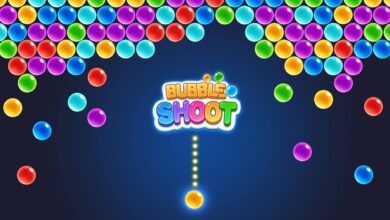
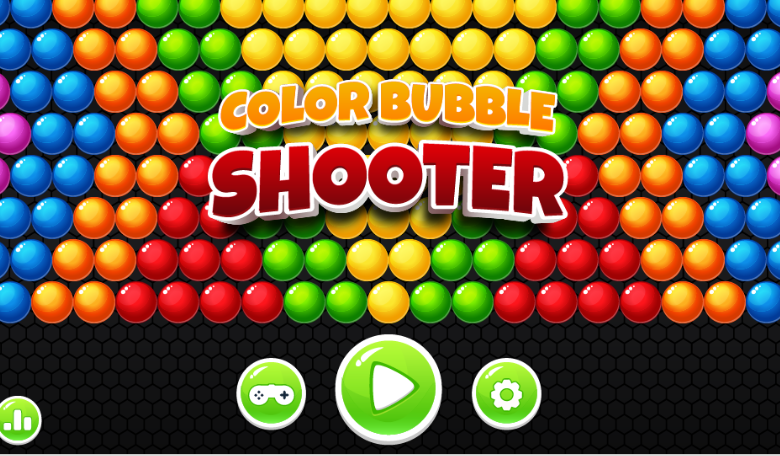
Color matching mechanics sit at the very center of Bubble Shooter gameplay. Without them, the game would lose its structure, pacing, strategy, and appeal. Every decision a player makes in Bubble Shooter depends on identifying colors, predicting matches, and positioning shots accordingly.
Unlike many puzzle games that rely on movement speed or complex rules, Bubble Shooter builds its challenge almost entirely around how players interact with color relationships. These mechanics shape the difficulty curve, influence player decision making, and create the satisfying progression that keeps players returning.
Understanding how color matching mechanics shape Bubble Shooter helps explain why the game remains both simple to learn and deeply engaging over time.
The Core Principle Behind Color Matching Gameplay
At its most basic level, Bubble Shooter requires players to connect three or more bubbles of the same color to remove them from the board. This rule creates the entire foundation of gameplay strategy.
Each shot involves evaluating:
- Available bubble colors
- Current cluster formations
- Open connection paths
- Possible chain reactions
Because every move depends on color relationships, players must constantly analyze the board before acting.
This structure transforms what appears to be a simple puzzle into a layered decision making experience.
How Color Recognition Drives Player Decisions
Visual recognition plays a central role in Bubble Shooter performance. Players must quickly identify matching opportunities while tracking future possibilities across the board.
Color recognition influences:
- Shot accuracy
- Target selection
- Timing decisions
- Cluster prioritization
For example, a player may choose not to clear an obvious match immediately if saving that color allows a larger chain reaction later.
This type of thinking develops naturally through repeated exposure to the color matching system.
Why Limited Color Sets Improve Gameplay Balance
One reason Bubble Shooter remains accessible is its use of controlled color variation. Most versions limit the number of active bubble colors at any given time.
Typical gameplay includes:
- Three to six active bubble colors
- Gradual color increases as levels progress
- Color removal after clearing clusters
Limiting the palette helps players remain focused while still introducing meaningful challenges.
Too many colors would reduce predictability and weaken strategy. Too few would remove challenge. The balance between these extremes shapes the player experience.
Color Matching Encourages Strategic Planning
Although the game appears reactive on the surface, strong players approach Bubble Shooter with planning strategies.
These include:
- Saving rare colors for critical matches
- Removing structural support bubbles
- Creating pathways toward isolated clusters
- Preparing angles for indirect shots
Each strategy depends on understanding how colors interact across the board.
Instead of reacting randomly, experienced players read the board as a system of connected color opportunities.
The Role of Contrast in Gameplay Clarity
Clear visual contrast between bubble colors improves both accessibility and engagement.
Effective Bubble Shooter design includes:
- Distinct color separation
- Consistent bubble shading
- Predictable color grouping patterns
- High visibility backgrounds
These elements allow players to make decisions quickly without confusion.
Strong contrast ensures the puzzle remains readable even as difficulty increases.
How Color Matching Creates Chain Reactions
Chain reactions represent one of the most satisfying moments in Bubble Shooter gameplay.
They occur when removing one cluster disconnects multiple surrounding bubbles from the structure above.
Color matching makes chain reactions possible because players can:
- Target supporting color groups
- Predict falling bubble patterns
- Plan multi stage clears
- Maximize scoring efficiency
These cascading effects reward careful planning and reinforce long term engagement.
Players quickly learn that the best moves are not always the most obvious ones.
Psychological Satisfaction From Color Based Progress
Color matching triggers a strong sense of completion and reward in puzzle games. This effect plays an important role in Bubble Shooter’s lasting appeal.
Players experience satisfaction through:
- Immediate visual confirmation
- cluster removal feedback
- falling bubble animations
- level progression milestones
Because color matching produces visible results instantly, players remain motivated to continue solving puzzles.
This feedback loop strengthens long term engagement.
Color Distribution Shapes Difficulty Levels
Game designers adjust difficulty primarily by changing how colors appear across the board.
Difficulty increases when:
- color placement becomes uneven
- rare colors appear less frequently
- clusters separate into isolated sections
- connection paths become limited
These changes force players to think more carefully about each shot.
Instead of increasing speed requirements, Bubble Shooter increases challenge through color complexity.
This keeps gameplay accessible while still rewarding skill improvement.
How Color Matching Supports Skill Development
Players improve naturally as they spend more time interacting with Bubble Shooter’s color system.
Skills that develop include:
- pattern recognition
- spatial prediction
- angle estimation
- decision timing
Because the game rewards observation rather than reflex speed alone, players often feel steady progress instead of frustration.
This sense of improvement encourages longer engagement periods.
Indirect Shots Depend on Color Awareness
One of the most advanced Bubble Shooter techniques involves bank shots that bounce off walls to reach hidden clusters.
These indirect shots require players to:
- identify color targets outside direct paths
- predict bounce angles
- anticipate landing positions
- evaluate cluster stability
Color matching mechanics make these shots meaningful rather than random.
Without color targeting, indirect aiming would have little strategic value.
Instead, it becomes one of the most rewarding aspects of gameplay mastery.
Color Matching Encourages Efficient Move Selection
Efficient players avoid unnecessary shots by prioritizing valuable matches.
They often focus on:
- removing support clusters first
- targeting isolated colors
- clearing upper level structures early
- avoiding low impact matches
These choices depend entirely on understanding color relationships across the board.
Efficiency becomes the difference between early completion and running out of moves.
Visual Memory Strengthens With Repeated Play
As players spend more time with Bubble Shooter, they begin recognizing color patterns faster.
Visual memory supports:
- quicker cluster identification
- faster target selection
- improved shot timing
- better prediction of board changes
Because color placement follows logical grouping patterns, players naturally improve with practice.
This learning process keeps gameplay rewarding without requiring complicated instructions.
How Color Matching Maintains Long Term Engagement
Many puzzle games lose appeal after repeated play sessions. Bubble Shooter avoids this problem through dynamic color variation.
Each level introduces:
- new cluster layouts
- shifting color sequences
- changing connection paths
- evolving structural patterns
Even though the core mechanic remains constant, the puzzle always feels slightly different.
This variation keeps players interested over long periods.
The Relationship Between Color Matching and Scoring Systems
Scoring systems in Bubble Shooter rely heavily on color efficiency.
Higher scores usually result from:
- clearing multiple clusters with one shot
- triggering chain reactions
- removing unsupported bubble groups
- finishing levels with unused shots remaining
These achievements depend directly on understanding color positioning.
Players who master color matching mechanics consistently perform better across levels.
Why Color Matching Makes Bubble Shooter Accessible Worldwide
One of the strongest advantages of color matching gameplay is its universal readability.
Players do not need language skills or cultural familiarity to understand the objective.
They simply:
- identify matching colors
- aim toward clusters
- remove connected bubbles
- repeat the process
This universal design contributes significantly to Bubble Shooter’s global popularity.
Because the mechanic communicates visually rather than verbally, it works across all age groups and regions.
Conclusion
Color matching mechanics define the structure, pacing, strategy, and satisfaction of Bubble Shooter gameplay. Every shot depends on recognizing relationships between bubble colors and predicting how clusters will respond to removal. This system allows the game to remain simple for beginners while offering deeper strategic opportunities for experienced players.
By shaping difficulty levels, supporting chain reactions, encouraging efficient planning, and strengthening visual recognition skills, color matching mechanics ensure Bubble Shooter remains engaging across platforms and generations. The elegance of this design explains why the game continues to attract players worldwide.
Frequently Asked Questions
Why do some Bubble Shooter levels use fewer colors than others
Using fewer colors early in gameplay helps new players understand matching mechanics before more complex layouts are introduced later.
Can color matching mechanics improve puzzle solving ability
Yes. Regular exposure to pattern recognition tasks strengthens observation skills and improves structured decision making during gameplay.
Do advanced Bubble Shooter versions change color matching rules
Most versions keep the original matching rules but introduce special bubble types that interact differently with color groups.
Why are some bubble colors harder to clear during certain stages
Some levels intentionally reduce the appearance of specific colors to increase challenge and encourage more careful shot planning.
Are color matching mechanics similar across different puzzle games
Many puzzle games use matching systems, but Bubble Shooter combines matching with directional aiming, which creates a unique gameplay style.
How do developers decide which colors appear in each level
Designers adjust color placement to balance challenge progression, create obstacles, and support learning curves across multiple stages.
Does color matching affect player reaction speed over time
Yes. Repeated interaction with visual matching tasks often improves recognition speed and decision accuracy during gameplay.